From Kashmir Dairy (Travelogue)
The next morning we were ready. Today we had to go to “Dudh Pethri”. Yesterday’s day was exhausting, so today we kept it light. That is, from Dudh Petri we could return to Srinagar before evening. You should plan in this manner as well. If you make one day very heavy — I mean, something that stretches from morning till night — then the next day you should keep it light. Either return by afternoon or come back by evening, or start exploring from late afternoon.
In this way, by keeping alternately light and heavy days, you don’t feel tired. You get more time to rest, and you can explore every day feeling completely refreshed and energized.
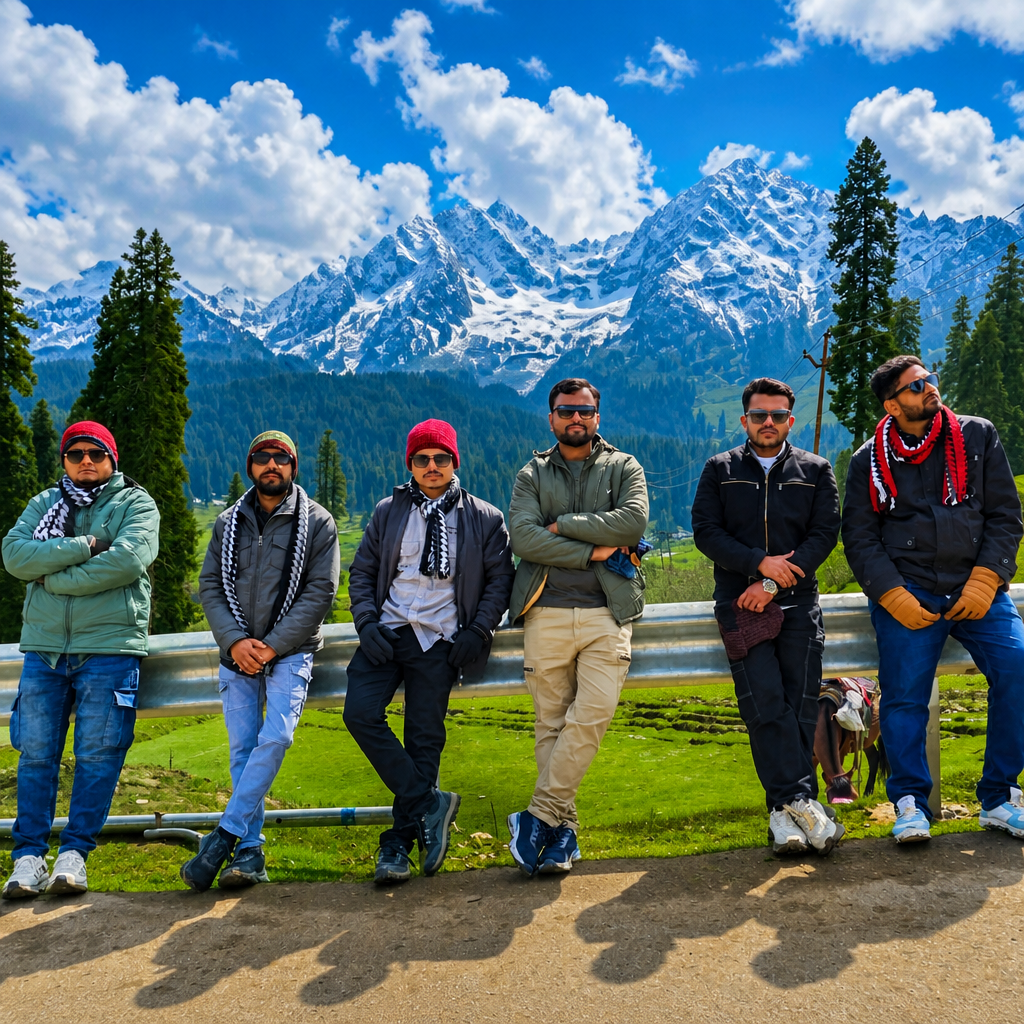
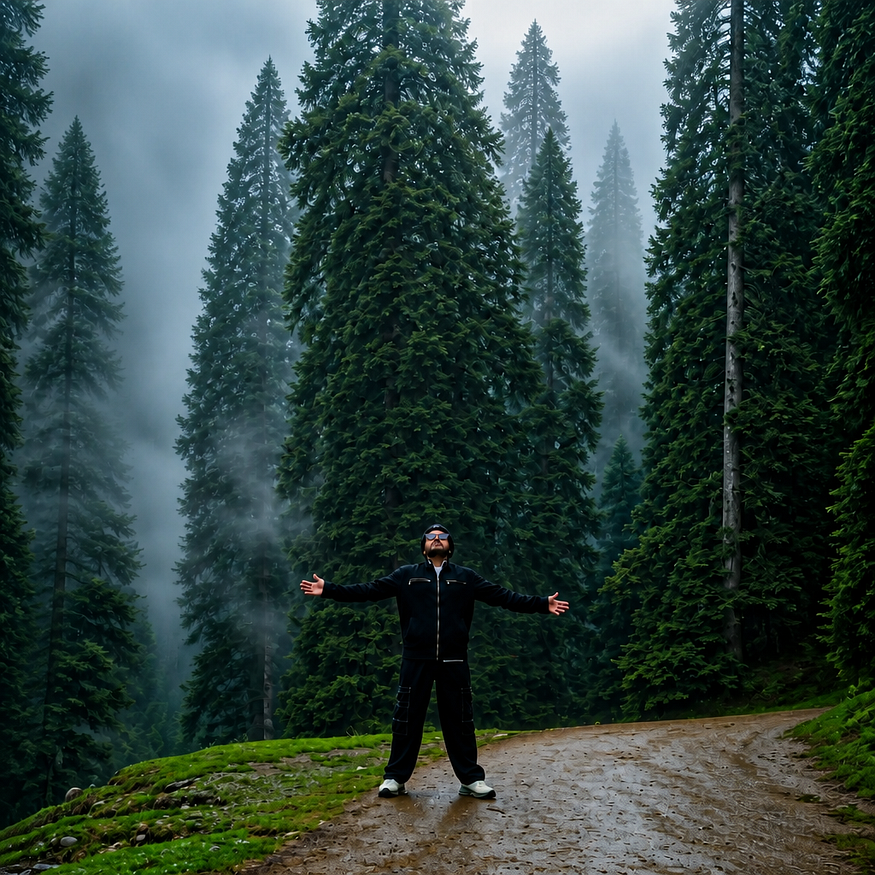
Anyway, we soon reached Dudh Pethri. There was dew everywhere. The weather here was quite cold and there was a huge crowd of tourists. Dudh Pehtri is a paradise-like valley located in Budgam district of Kashmir, which attracts every visitor who comes with its lush meadows, snow-capped mountains, and the flowing streams of crystal-clear rivers. The name of this place is as unique as its scenery! It is said that the water from the springs here is as white as milk, which is what gave it the name “Dudh Pethri”.
When you walk through the valley and your eyes stretch across the distant meadows, the colorful bouquets of wildflowers, and the snow-capped mountains meeting the distant horizon, it feels as though nature has painted an enchanting picture on canvas with all its skill.
The air here carries such freshness and coolness that it rejuvenates the heart and mind completely, and the splashing sound of water gives the heart a strange and soothing wave.
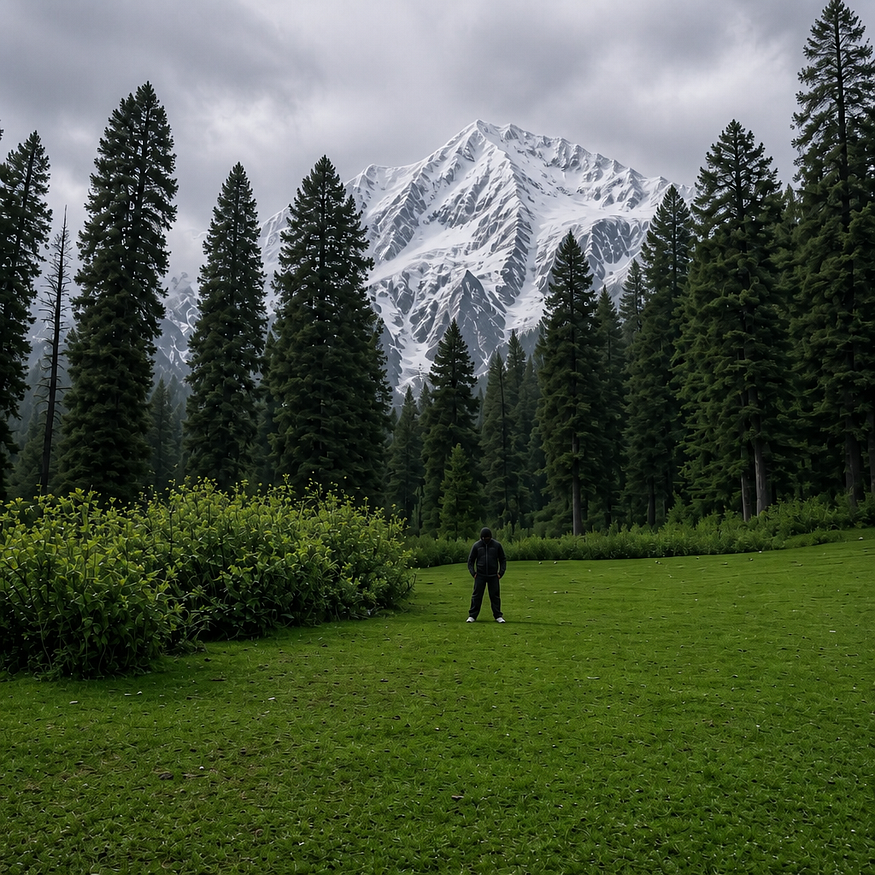
While mentioning this beautiful place in the travelogue, the heart wishes to compress into every word the silence of this valley, its sweetness, and its matchless beauty, because Dudh Petri is truly one of Kashmir’s rare pearls, which holds a unique charm in its very simplicity.
Here too, there are arrangements for mules and quadricycles, on which you can ride for a fee and enjoy the beautiful valley of Dudh Petri. We preferred to walk here. Because walking here is more enjoyable.
Though you might be wondering what this quadricycle is? In Kashmir, particularly at Dudh Petri, Gulmarg, and other tourist spots, these vehicles are used to give tourists a tour of the valley. They take tourists close to nature and can easily travel on small paths. They are known by different names in different regions — in some places called “tuk tuk”, in others “auto rickshaw”, and in some places simply “four-wheeler bike”.
Before climbing up into the valleys of Dudh Petri, there are shops run by local people selling tea, breakfast, and other items. All kinds of food can be found here. You should definitely have breakfast and such before starting to explore. We didn’t do it on the way there, but on the way back we were exhausted, and after eating here we got some relief.
We returned in the evening, and by eight o’clock at night we were shopping at Lal Chowk Bazaar. Sometimes we would buy something at every place we visited. You will find many local people selling various things — Kashmiri shawls, pashmina shawls, winter clothing, unique Kashmiri jackets for children to protect from the cold, and so on.
They will come to you themselves and request you to buy from them. You should definitely buy from them. Because on one hand, they are in need, and on the other, their goods are good and cheap. Yes, you should bargain with them too, but within reasonable limits. While bargaining, you shouldn’t go overboard; rather, you should understand a bit on your own.
Our intention should also be to help the local people and help them progress. For the development and prosperity of Kashmir, growth in tourism is very necessary, and you should do whatever you can to help with this.
Where on one hand you see wealth in big cities like Srinagar, on the other hand there is a lot of poverty in these small villages and towns, and along with agriculture, tourism provides them with the most employment. By God’s grace, there were eleven of us on this journey, and each one of us was buying something or other somewhere and making the local people happy.
Everyone would buy some food items or other somewhere, even though often we weren’t hungry, yet to please the person in front of us we would buy from them, and then we would all eat together.
Returning from Lal Chowk Bazaar, tonight we were cooking dinner ourselves in the garden within the hotel premises. Chicken tikka and khichdi. The hotel owner wasn’t present here; he had hired someone to manage the hotel. We invited him too for dinner and we all ate together.